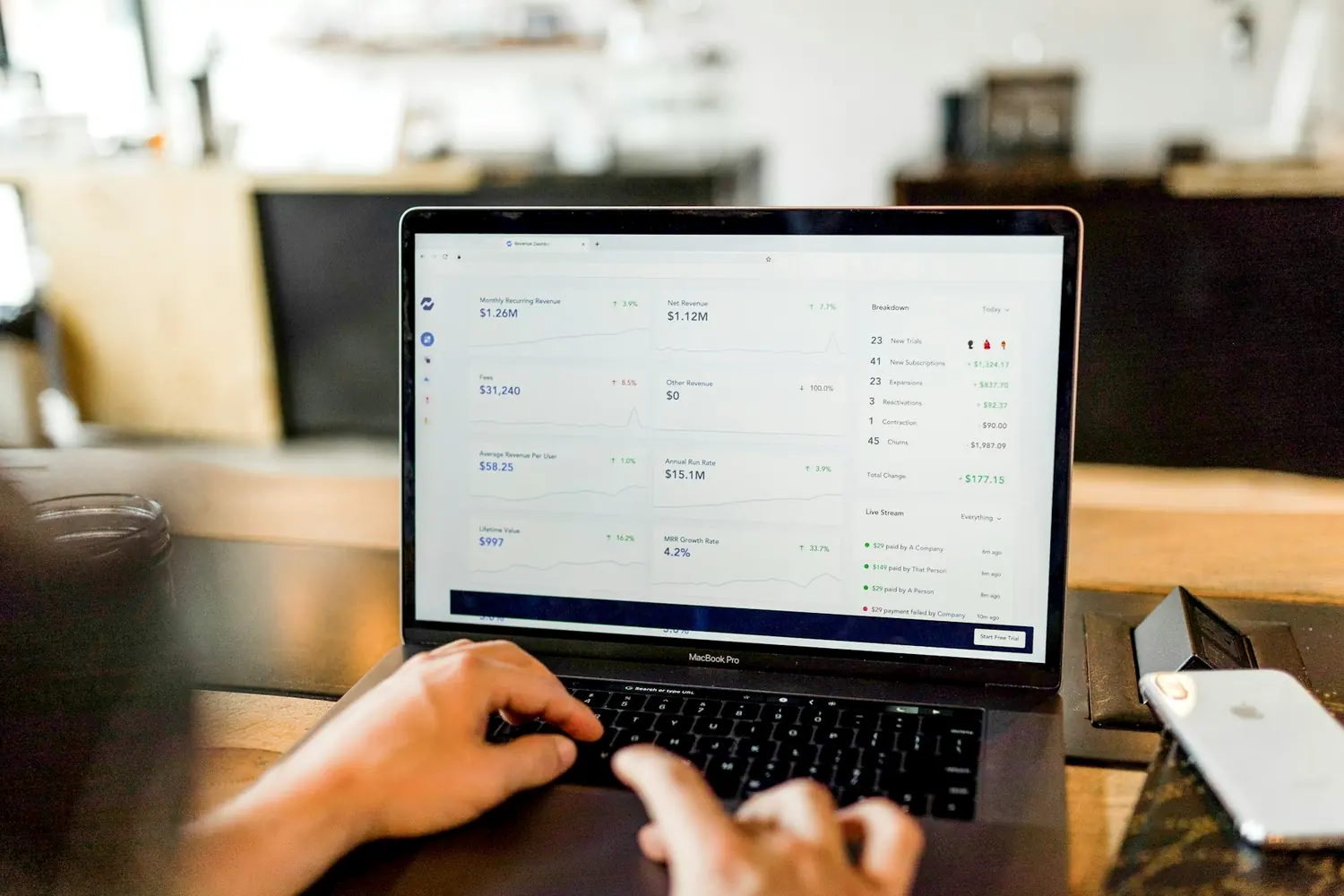
The first impression happens before reading
Google researchers found that users form an initial gut feeling about a website in less than 50 milliseconds, and that people prefer designs that look simple and familiar for their category1. That impression comes from layout, imagery, colour and spacing, long before any words are read.
Then people scan. Nielsen Norman Group's eye-tracking research shows readers scan pages in patterns such as an F shape, focusing on the top and left2. What sits in those places decides whether they stay.
What is made for you every time
A website built 1 for 1 starts with what your customers need to see first, the questions they ask, the competitors they compare you with and the action you want them to take. The structure, words and design come from those answers.
That is why our websites rarely look alike. A surf villa and a moringa farm have different customers, different questions and different reasons to be chosen, so the order of the pages, the photos and the place of the main button are different too.
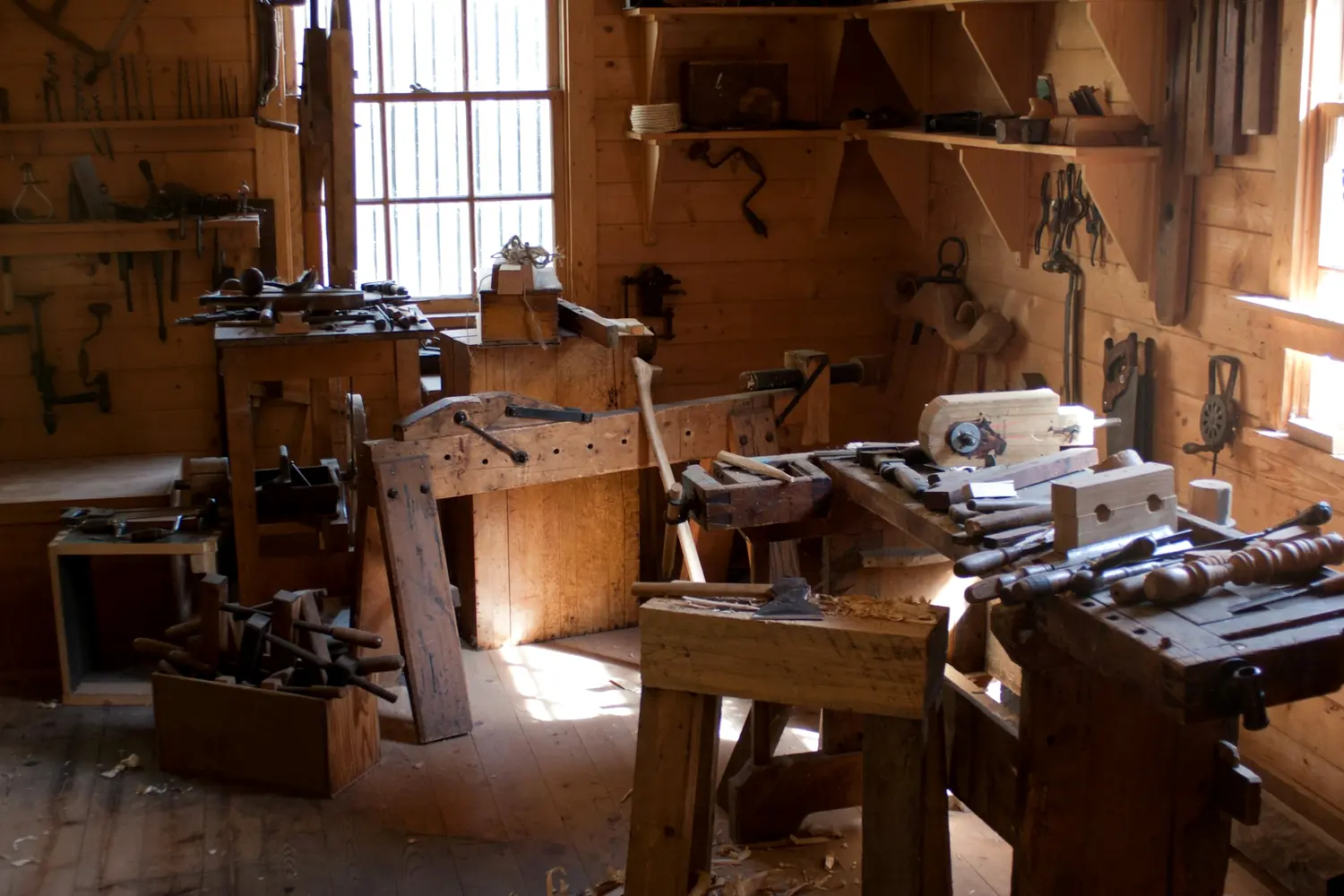


What our custom library adds
Over many projects we have built the same kinds of parts again and again, booking forms, image galleries, menus in two languages, product pages and enquiry forms that reach WhatsApp. The ones that worked best became our custom library. We wrote them ourselves, test them on real phones and keep them up to date.
Each part is tailored to the site it goes into, in its look, its words and the way it behaves. A visitor sees your brand. Underneath, the code has already proven itself on live websites, which keeps the site fast, safe and quicker to build.
Choosing the platform
The platform follows the business. React is used by 44.7% of developers3, and with Next.js it suits custom websites and web apps. Astro is made for content-driven websites and sends only the JavaScript a page needs4, which keeps sites with many pages fast. Shopify suits online shops, Webflow and Framer suit marketing sites, and Strapi suits content that feeds several channels.
Quality standards come with it. 95.9% of the top one million home pages fail basic accessibility checks5. A site built to WCAG 2.2 AA from the start is usable by more people, and building accessibility in is easier than adding it later.
What you really pay for
Most of the price goes into the work that is new for every business, the research, the words, the design and the testing on real phones. Parts from the custom library are not paid for twice, which keeps the price and the build time down.
The useful question is what one more customer a month is worth to you, and how long the website will work for you. For many businesses that rely on online enquiries or sales, a clearer, faster site pays for itself in the customers it keeps.